
The SAS Survival Guide Pocket Edition distills decades of expertise into a compact format, offering crucial knowledge for navigating challenging situations․
This guide, based on the renowned SAS training, provides accessible survival techniques,
drawing from real-world scenarios and proven methods․
YouTube reviews and Pinterest discussions highlight its value, alongside comparisons to guides by Ray Mears,
making it a popular choice for preparedness․
What is the SAS Survival Guide?
The SAS Survival Guide is a comprehensive handbook born from the extensive survival expertise of the British Special Air Service (SAS)․ Originally developed for soldiers facing extreme conditions, it has evolved into a globally recognized resource for anyone venturing into the wilderness or preparing for emergencies․
The Pocket Edition, as highlighted in online reviews and discussions, condenses this wealth of knowledge into a portable format․ It covers essential skills, from shelter building and fire starting to navigation and first aid․
It’s a practical manual, emphasizing resourcefulness and adaptability, and is often compared to other survival guides like those authored by Ray Mears, demonstrating its respected position within the survival community․
Brief History of the SAS and its Survival Expertise
The Special Air Service (SAS) originated during World War II in North Africa, quickly gaining a reputation for daring raids and operating behind enemy lines․ Survival skills were paramount for these early operations, demanding soldiers master techniques for evading capture and sustaining themselves in harsh environments․
Post-war, the SAS continued to refine its survival expertise, incorporating lessons learned from diverse terrains and challenging scenarios․ This accumulated knowledge formed the basis for the original SAS Survival Guide, later adapted into the convenient Pocket Edition․
The guide reflects the SAS’s pragmatic, no-nonsense approach to survival, emphasizing practical skills and mental fortitude․
Why Choose the Pocket Edition?
The SAS Survival Guide Pocket Edition offers unparalleled accessibility, condensing vital survival information into a remarkably portable format․ Unlike larger, comprehensive guides, this edition easily fits into a backpack, glove compartment, or even a large pocket, ensuring crucial knowledge is always at hand․
Despite its size, it doesn’t compromise on essential techniques, covering everything from shelter building to first aid․ Online discussions highlight its practicality for both wilderness adventures and urban preparedness, making it a versatile choice․
It’s a streamlined resource for anyone seeking foundational survival skills․
Core Survival Skills Covered
The SAS Survival Guide Pocket Edition expertly covers essential skills: protection, water procurement, fire starting, shelter construction, and navigation—vital for resilience․
The Rule of Threes
The SAS Survival Guide Pocket Edition emphasizes “The Rule of Threes” as a critical prioritization tool in survival scenarios․ This principle dictates that a human can survive roughly three minutes without air, three hours without shelter in harsh conditions, three days without water, and three weeks without food․
Understanding these timeframes allows for focused effort on the most immediate threats․ Prioritizing shelter and water is paramount, as these needs quickly become life-threatening․ The guide reinforces that mental fortitude and efficient resource management, guided by this rule, significantly increase chances of survival․
Priorities of Survival: Protection, Rescue, Water, Food
The SAS Survival Guide Pocket Edition outlines a clear hierarchy of survival priorities: Protection, Rescue, Water, and Food․ Immediate Protection from the elements is crucial, followed by efforts towards Rescue – signaling and making oneself visible․ Water procurement is next, as dehydration rapidly impairs function․
Finally, Food, while important, is a lower priority as humans can survive longer without it․ The guide stresses that energy expenditure should be minimized while securing these essentials, aligning with the ‘Rule of Threes’ and maximizing survival odds․
Shelter Construction
The SAS Survival Guide Pocket Edition dedicates significant attention to shelter construction, recognizing its vital role in protection from the elements․ The guide details both Natural Shelters – utilizing caves, rock overhangs, and dense vegetation – and Improvised Shelters built from available materials․
Emphasis is placed on speed and efficiency, prioritizing shelters that conserve body heat and offer defense against wind and rain․ Techniques range from simple lean-tos to more complex debris huts, adapting to the environment and available resources․
Natural Shelters
The SAS Survival Guide Pocket Edition stresses utilizing existing natural formations as the quickest shelter option․ Caves and rock overhangs provide immediate protection, but require careful assessment for stability and potential inhabitants․ Dense evergreen forests offer windbreaks and some precipitation shielding․
The guide cautions against selecting locations prone to flooding or rockfall․ Modifying natural shelters – adding debris for insulation or reinforcing entrances – enhances their effectiveness․ Prioritizing safety and minimizing effort are key principles when employing natural shelters․
Improvised Shelters
The SAS Survival Guide Pocket Edition details constructing shelters when natural options are unavailable․ A lean-to, utilizing a sturdy branch as a ridgepole and angled supports, is a fundamental design․ Debris – leaves, branches, and moss – provides vital insulation against the elements․
The guide emphasizes building shelters small enough to retain body heat efficiently․ A-frames and debris huts are also covered, stressing the importance of waterproofing and wind resistance․ Prioritizing speed and resourcefulness are crucial when building improvised shelters for survival․
Fire Starting Techniques
The SAS Survival Guide Pocket Edition dedicates significant attention to firecraft, a cornerstone of survival․ It stresses mastering multiple methods, recognizing that conditions dictate success․ Finding dry tinder – birch bark, pine needles, or bird nests – is paramount․
The guide details friction-based techniques like the bow drill and hand drill, alongside utilizing magnifying glasses or flint and steel․ Maintaining a small, controlled flame and gradually adding larger fuel are emphasized․ Fire provides warmth, cooks food, purifies water, and boosts morale․
Finding Tinder
The SAS Survival Guide Pocket Edition emphasizes that successful fire starting hinges on locating suitable tinder․ Natural options abound, but require discerning eyes․ Birch bark, even when wet, contains oils that ignite readily․ Pine needles, especially those from dead branches, are excellent, as are the fluffy seed heads of cattails․
Bird nests, stripped of their occupants, provide a pre-made bundle․ Dry grasses and inner bark also work․ Preparing a bird’s nest shape with finely shredded material maximizes airflow, crucial for catching a spark and nurturing it into flame․
Methods for Creating a Spark
The SAS Survival Guide Pocket Edition details several methods for generating the vital spark needed for fire․ The ferrocerium rod and striker is highlighted as reliable, even when wet․ Friction-based techniques, like the bow drill or hand drill, demand practice and dry materials, but offer self-reliance․
Using a lens to focus sunlight is effective in clear conditions․ Improvised methods, such as striking quartz against steel, are also covered․ Regardless of the method, patience and proper tinder preparation are paramount for success․

Navigation and Signaling
The SAS Survival Guide Pocket Edition emphasizes map reading, compass skills, and natural navigation․ Effective signaling, using visual and audible methods, dramatically increases rescue chances․
Map Reading Basics
The SAS Survival Guide Pocket Edition dedicates significant attention to map reading, a cornerstone of effective navigation․ Understanding map scales, contour lines, and symbols is paramount for determining your location and planning routes․
The guide stresses the importance of orienting the map with a compass, allowing for accurate bearings and direction finding․ It covers identifying key terrain features – hills, valleys, rivers – and relating them to the map’s representation․
Furthermore, the book explains how to estimate distances and interpret grid references, vital skills for communicating your position to potential rescuers or navigating to a specific destination․
Compass Navigation
The SAS Survival Guide Pocket Edition emphasizes compass navigation as a critical skill, especially when maps are unavailable or conditions hinder visibility․ The guide details how to take accurate bearings, following a clear, step-by-step approach․
It explains the principles of declination – the difference between magnetic north and true north – and how to adjust compass readings accordingly․ Techniques for walking a bearing, using back bearings for confirmation, and navigating around obstacles are thoroughly covered․
The book stresses consistent practice to develop proficiency and confidence in compass work, ensuring reliable navigation in challenging environments․
Natural Navigation Techniques
The SAS Survival Guide Pocket Edition doesn’t solely rely on tools; it dedicates significant space to natural navigation․ Recognizing sun position, observing prevailing wind directions, and interpreting landscape features are key skills detailed within․
The guide explains how to determine direction using moss growth on trees, star patterns at night, and even the annual growth rings of trees․ It emphasizes understanding local environments and recognizing subtle clues․
These techniques serve as vital backups when compasses fail or are unavailable, offering resourceful methods for maintaining orientation and direction;
Signaling for Rescue
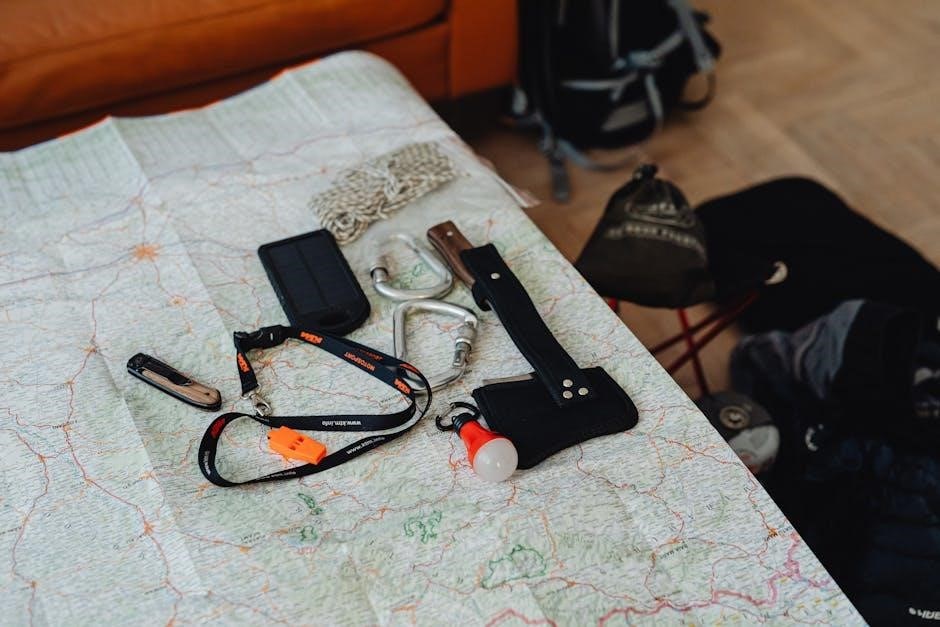
The SAS Survival Guide Pocket Edition stresses the importance of proactive signaling to maximize rescue chances․ It details both visual and audible methods, crucial when stranded․ Creating large ground-to-air signals using contrasting materials – rocks, branches, clothing – is thoroughly explained․
The guide also covers constructing signal fires, utilizing mirrors for reflecting sunlight, and employing whistles for audible alerts․ Understanding signal timing and repetition is emphasized for increased visibility and effectiveness․
These techniques, combined with knowledge of international distress signals, significantly improve the likelihood of being located․
Visual Signals
The SAS Survival Guide Pocket Edition dedicates significant attention to effective visual signaling techniques․ Constructing large SOS signals on the ground using rocks, logs, or brightly colored materials is paramount for aerial visibility․
Utilizing mirrors to reflect sunlight towards potential rescuers is detailed, emphasizing aiming techniques and flash patterns․ Creating signal fires, particularly at night, is also covered, alongside smoke signals during daylight hours․
The guide stresses maximizing contrast against the surrounding environment for optimal signal detection, increasing the chances of a swift rescue․
Audible Signals
The SAS Survival Guide Pocket Edition emphasizes the importance of audible signals when visual methods are ineffective․ The universally recognized distress signal – six short blasts followed by six long, and then six short – using a whistle is highlighted․
Creating loud noises through shouting, banging rocks together, or utilizing improvised noisemakers can attract attention over considerable distances․ The guide advises conserving energy while maximizing sound projection․
Repeating signals consistently and strategically, particularly in open areas, significantly increases the probability of being heard by search and rescue teams․
Food and Water Procurement
The SAS Survival Guide Pocket Edition details vital techniques for locating water sources and purifying them, alongside foraging and trapping methods for sustenance․
Prioritizing hydration and calorie intake is key to survival․
Finding Water Sources
The SAS Survival Guide Pocket Edition emphasizes locating water as a primary survival priority․ It details identifying natural sources like springs, streams, and rainwater collection points․
The guide instructs on recognizing vegetation that indicates subsurface water, such as willows and reeds, and how to dig for it․
Furthermore, it covers collecting dew using cloth and constructing solar stills to extract water from vegetation or even damp earth, crucial in arid environments․
Understanding terrain and weather patterns aids in predicting water availability․
Water Purification Methods
The SAS Survival Guide Pocket Edition stresses the critical need to purify any found water source to avoid illness․ It details boiling as the most reliable method, recommending a rolling boil for at least one minute․
The guide also explains constructing improvised filters using cloth, charcoal, sand, and gravel to remove sediment and some impurities․
Furthermore, it discusses the use of purification tablets, if available, and emphasizes the importance of understanding the limitations of each method․
Prioritizing safe hydration is paramount for survival․
Foraging for Edible Plants
The SAS Survival Guide Pocket Edition cautions against reckless plant consumption, emphasizing the “universal edibility test” as a last resort․ It stresses positive identification is crucial, warning that misidentification can be fatal․
The guide highlights common edible plants found in various environments, but stresses regional variations․
It advises learning plant families and focusing on easily recognizable, safe options․
Remember, thorough knowledge and caution are vital when relying on foraging for sustenance in a survival scenario․
Trapping and Snaring
The SAS Survival Guide Pocket Edition details various trapping and snaring techniques for procuring food, emphasizing ethical considerations and legal restrictions where applicable․
It covers constructing simple snares using readily available materials like cordage and natural fibers, targeting small game animals․
The guide stresses the importance of trap placement, concealment, and regular checking․
Successful trapping requires patience, observation, and understanding animal behavior, supplementing limited food resources during prolonged survival situations․

First Aid and Medical Issues
The SAS Survival Guide Pocket Edition provides essential first aid knowledge, covering wound treatment, fractures, hypothermia, and common medical emergencies in remote settings․
Treating Wounds and Injuries
The SAS Survival Guide Pocket Edition emphasizes immediate action for wounds, prioritizing cleaning to prevent infection – a critical concern in austere environments․ It details improvised bandages using available materials, like cloth or plant fibers, and techniques for staunching bleeding․
The guide stresses recognizing different wound types, from abrasions to deep punctures, and adapting treatment accordingly․ It also covers managing sprains and strains, utilizing splints fashioned from natural resources for stabilization․
Understanding shock and its management is also included, highlighting the importance of maintaining body temperature and providing reassurance to the injured individual․
Dealing with Fractures and Sprains
The SAS Survival Guide Pocket Edition dedicates significant attention to immobilizing injuries when professional medical help is unavailable․ It details constructing effective splints using readily available materials like branches, bark, and clothing, emphasizing proper support to prevent further damage․
The guide stresses differentiating between fractures and sprains, noting key indicators like deformity, swelling, and inability to bear weight․
Techniques for reducing dislocations are cautiously presented, alongside warnings about the risks of attempting such procedures without proper training․ Elevation and cold compression are also recommended for managing swelling and pain․
Hypothermia and Heatstroke
The SAS Survival Guide Pocket Edition comprehensively covers recognizing and treating both hypothermia and heatstroke, critical in diverse survival scenarios․ It details the stages of hypothermia, emphasizing early intervention through insulation, warmth, and high-energy foods․
For heatstroke, the guide stresses immediate cooling measures – finding shade, applying water, and promoting ventilation․
Understanding the importance of hydration is paramount, alongside recognizing symptoms like shivering, confusion, and cessation of sweating․ Prevention, through appropriate clothing and shelter, is heavily emphasized․
Common Medical Emergencies in a Survival Situation
The SAS Survival Guide Pocket Edition prepares individuals for a range of medical crises encountered in the wild․ It addresses issues like severe cuts, burns, and potential infections, detailing wound cleaning and bandaging techniques using improvised materials․
The guide also covers managing sprains, strains, and potential allergic reactions, emphasizing resourcefulness․
Recognizing and addressing dehydration, insect bites, and the dangers of contaminated water are crucial, alongside maintaining hygiene to prevent further complications․
Understanding the Environment
The SAS Survival Guide Pocket Edition stresses environmental awareness, covering wildlife identification, weather prediction, and terrain assessment for safe navigation and survival․
Identifying Dangerous Wildlife
The SAS Survival Guide Pocket Edition emphasizes recognizing potential threats from animals, crucial for avoiding dangerous encounters․ It details identifying venomous snakes, predatory mammals, and insects with harmful stings or bites․
Understanding animal behavior – tracks, calls, and signs of presence – is vital․ The guide instructs on preventative measures like proper food storage to deter animals and creating safe camp locations․
Knowing how to react to an attack, including first aid for bites and stings, significantly increases survival chances in the wilderness․
Weather Prediction
The SAS Survival Guide Pocket Edition stresses the importance of anticipating weather changes for survival․ It teaches observation of cloud formations, wind patterns, and atmospheric pressure to forecast upcoming conditions․
Understanding how these indicators relate to potential storms, temperature drops, or shifts in precipitation is critical for shelter construction and resource management․
The guide details utilizing natural signs – animal behavior, plant responses – to refine predictions, maximizing preparedness in dynamic environments․
Terrain Assessment
The SAS Survival Guide Pocket Edition emphasizes meticulous terrain assessment as a foundational survival skill․ It instructs readers to analyze landforms, vegetation, and potential hazards before establishing a camp or planning a route․
Identifying slopes, drainage patterns, and areas prone to landslides or flooding is crucial for safety․
The guide details how to interpret topographical features, locate resources, and anticipate challenges posed by the environment, enhancing both navigation and long-term survival prospects․
Advanced Survival Techniques
The SAS Survival Guide Pocket Edition delves into advanced skills like camouflage, weapon improvisation, and evasion tactics,
boosting resilience in prolonged survival scenarios․
Camouflage and Concealment
The SAS Survival Guide Pocket Edition emphasizes that effective camouflage isn’t simply about blending in, but disrupting your form and silhouette․ It details techniques for utilizing natural materials – vegetation, mud, even shadows – to break up your outline, making you harder to detect․
Beyond visual concealment, the guide stresses the importance of scent control and minimizing noise․ Understanding how light and shadow play across the terrain is crucial, as is adapting your camouflage to the specific environment․ Mastering these skills significantly increases your chances of avoiding detection, whether evading enemies or observing wildlife․
Improvised Weapons
The SAS Survival Guide Pocket Edition acknowledges that in a survival scenario, resourcefulness is key, and sometimes, creating weapons is necessary for defense or procuring food․ The guide details how to fashion effective tools from readily available materials – sharp stones, branches, and even clothing․
It covers constructing spears, clubs, and snares, emphasizing safety and practicality․ While advocating for avoidance of conflict, the book prepares you for self-protection․ The focus isn’t on aggression, but on maximizing your chances of survival when facing a threat, utilizing ingenuity and the surrounding environment․
Escape and Evasion
The SAS Survival Guide Pocket Edition dedicates significant attention to escape and evasion techniques, crucial if captured or pursued․ It stresses the importance of observation – understanding your surroundings, identifying potential escape routes, and recognizing patterns in enemy behavior․
The guide details methods for breaking restraints, moving undetected, and utilizing camouflage and concealment․ It emphasizes mental fortitude and planning, advocating for a proactive approach to regaining freedom․ This section prepares individuals to exploit weaknesses and opportunities, maximizing their chances of successful evasion․

The Urban Survival Aspect
The SAS Survival Guide Pocket Edition adapts traditional skills for city environments, focusing on resourcefulness and adapting to unique challenges within urban landscapes․
Pinterest highlights the availability of an urban survival guide by the same author․
Adapting SAS Techniques to City Environments
Adapting SAS techniques to urban settings requires a shift in mindset, prioritizing concealment over wilderness camouflage․ The SAS Survival Guide Pocket Edition emphasizes improvising shelters from readily available materials like cardboard or tarps, rather than natural resources․
Resource acquisition focuses on locating water sources in cities – public fountains, building plumbing – and scavenging for food․ Understanding urban navigation, recognizing potential hazards, and maintaining situational awareness become paramount․ The guide encourages utilizing city infrastructure for signaling and escape, a departure from traditional wilderness methods․
Pinterest references suggest a dedicated urban survival guide by the same author, indicating a focused approach to these unique challenges․
Securing Resources in an Urban Setting
Securing resources in a city demands resourcefulness, differing greatly from wilderness procurement․ The SAS Survival Guide Pocket Edition principles translate to identifying accessible water sources – public taps, rainwater collection – and locating potential food supplies through scavenging or urban gardening․
Shelter becomes about finding secure, concealed locations – abandoned buildings, stairwells – rather than constructing natural ones․ Urban environments offer opportunities for bartering and utilizing discarded materials․
Maintaining a low profile and avoiding confrontation are crucial, adapting the SAS emphasis on evasion to a densely populated landscape․ Online discussions highlight the importance of knowing your surroundings․

Review and Comparison with Other Survival Guides
The SAS Survival Guide is frequently compared to Ray Mears’ work, and other pocket guides, noted for its concise, practical approach to survival skills․
SAS vs․ Ray Mears
Comparing the SAS Survival Guide to Ray Mears’ books reveals distinct approaches․ The SAS guide, rooted in military training, prioritizes pragmatic, immediate action for survival, focusing on efficiency and resourcefulness in critical situations․
Mears, conversely, emphasizes a deeper understanding of the natural world, bushcraft skills, and a more holistic connection with the environment․
While both are highly respected, the SAS guide offers a streamlined, no-nonsense methodology, while Mears provides a broader, more immersive learning experience;
SAS vs; Other Pocket Survival Guides
Compared to other pocket guides, the SAS Survival Guide distinguishes itself through its comprehensive scope and detailed instructions, derived from extensive military expertise․ Many competitors offer simplified checklists, while the SAS guide delves into the ‘why’ behind each technique․
Guides like the “Sys Admin Pocket Survival Guide” cater to niche scenarios, lacking the broad applicability of the SAS manual․
The SAS guide’s strength lies in its thoroughness, making it a robust resource for diverse survival challenges․

Limitations of the Pocket Edition
Despite its value, the Pocket Edition’s condensed format necessitates omitting in-depth coverage of specialized topics found in the full SAS Survival Guide․
What the Pocket Edition Doesn’t Cover
While incredibly useful, the SAS Survival Guide Pocket Edition understandably sacrifices depth due to its size․ Complex topics like advanced medical procedures, detailed botanical identification beyond basic foraging, and extensive long-term shelter construction are less comprehensively addressed․
It doesn’t delve into specialized survival scenarios such as maritime survival or detailed arctic/desert techniques․ The pocket guide prioritizes immediate, critical needs, meaning advanced evasion tactics or building sophisticated tools receive limited attention․
Essentially, it’s a primer, not an exhaustive encyclopedia․

Is the SAS Survival Guide Pocket Edition Worth It?
Absolutely! The SAS Survival Guide Pocket Edition is a valuable, concise resource for anyone seeking foundational survival skills and preparedness knowledge․
Final Thoughts and Recommendations
The SAS Survival Guide Pocket Edition stands as a remarkably comprehensive resource, especially considering its diminutive size․ It’s an excellent starting point for beginners, offering a broad overview of essential survival techniques․
While not exhaustive, it effectively distills critical information regarding shelter, fire, navigation, and first aid․ Considering the positive reception highlighted in online reviews – including comparisons to Ray Mears’ work – it’s a worthwhile investment․
We recommend supplementing this guide with practical field experience and potentially more specialized resources as your skills develop․ It’s a fantastic foundation for building self-reliance․