
Hot Spring Jacuzzi Manual: A Comprehensive Guide
This manual provides essential guidance for owners‚ covering everything from initial setup to advanced repairs‚ ensuring years of relaxing enjoyment.
Hot Spring Jacuzzis represent a pinnacle of relaxation and therapeutic wellness‚ designed for enduring quality and ease of use. These spas are engineered to provide a consistently enjoyable experience‚ but maximizing their lifespan and performance requires understanding their unique features and proper maintenance procedures. This section introduces you to the core components and benefits of your Hot Spring Jacuzzi.
Hot Spring Spas are renowned for their reliability‚ yet occasional issues can arise. Regular maintenance is key to preventing problems‚ but when they do occur‚ a comprehensive understanding of the system is invaluable. This manual serves as your guide to troubleshooting common concerns related to jets‚ pumps‚ heaters‚ electrical systems‚ controls‚ and water quality. Consider it a starting point for resolving minor hot tub issues independently‚ potentially saving time and expense.
Understanding Your Hot Spring System
Your Hot Spring Jacuzzi is a complex system integrating several key components working in harmony to deliver a soothing and hygienic experience. These include the shell‚ providing the bathing area; the cabinet‚ housing the equipment; the plumbing‚ circulating water; the filtration system‚ maintaining water purity; the heating system‚ ensuring optimal temperature; and the control panel‚ managing operations.
The jets utilize a powerful pump to create invigorating massage effects. The heater efficiently warms the water‚ while the filtration system removes impurities. Understanding how these elements interact is crucial for effective troubleshooting. Error codes displayed on the control panel offer valuable diagnostic information‚ guiding you towards potential solutions. Familiarizing yourself with these systems empowers you to address minor issues and maintain peak performance‚ ensuring countless hours of relaxation.

Initial Setup and Operation
Proper setup is vital for enjoying your new hot tub; this section details filling‚ powering on‚ water chemistry‚ and temperature adjustments for optimal use.

Filling Your Hot Spring Jacuzzi
Before the initial startup‚ carefully filling your Hot Spring Jacuzzi is crucial for proper operation and longevity. Begin by ensuring the hot tub is placed on a level surface. Use a garden hose with a filter to prevent debris from entering the system.
Slowly fill the spa‚ monitoring the water level. Do not overfill; the water should be approximately 1-2 inches below the lowest jet. As you fill‚ inspect for any leaks around the shell‚ plumbing‚ and equipment compartment.
It’s recommended to use a pre-filter attached to your hose during the filling process to remove minerals and metals that can stain the acrylic surface. Once filled‚ balance the water chemistry before powering on the heater – this protects the components from potential damage. Refer to the ‘Water Chemistry Basics’ section for detailed instructions.
Powering On and Initial Startup
After filling your Hot Spring Jacuzzi and balancing the water chemistry‚ you can proceed with the initial startup. Locate the main power switch‚ typically found near the equipment compartment‚ and turn it to the ‘ON’ position.
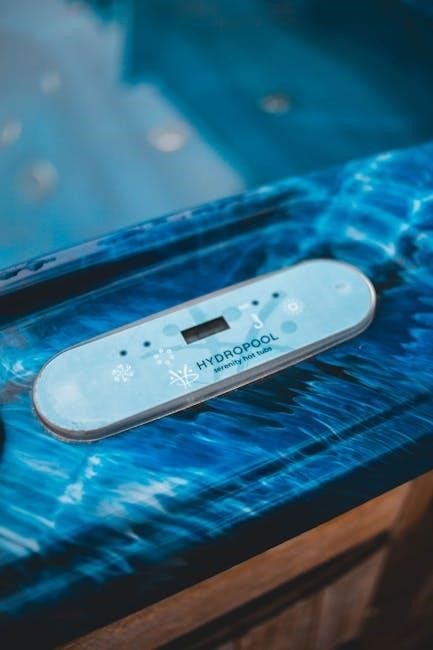
The control panel should illuminate‚ displaying the current temperature and system status. Allow the system to cycle through its initial startup sequence‚ which may take several minutes. The pump will likely activate to prime the system and circulate the water.
Verify that all jets are functioning correctly and that there are no unusual noises coming from the pump or heater. Set your desired water temperature using the control panel‚ remembering that it takes time for the water to reach the set point. Always consult the ‘Adjusting Temperature Settings’ section for optimal guidance.
Water Chemistry Basics
Maintaining proper water chemistry is crucial for a safe and enjoyable Hot Spring Jacuzzi experience. Regularly test the water using a reliable test kit or strips‚ focusing on pH‚ alkalinity‚ and sanitizer levels.
Ideal pH should be between 7.2 and 7.8‚ while total alkalinity should range from 80 to 120 ppm. Sanitizers‚ such as chlorine or bromine‚ are essential for eliminating bacteria and algae. Follow the sanitizer manufacturer’s instructions carefully to maintain the correct levels.
Shocking the water weekly helps oxidize organic contaminants. Always balance alkalinity before adjusting pH. Improper water chemistry can cause corrosion‚ scaling‚ and reduced sanitizer effectiveness. Refer to the ‘Routine Maintenance’ section for detailed water drainage and refilling procedures.
Adjusting Temperature Settings
Your Hot Spring Jacuzzi’s control panel allows for precise temperature adjustments to suit your preferences. Typically‚ temperature is adjusted in increments of one degree Fahrenheit or Celsius. Begin by accessing the temperature control buttons on the panel – consult your specific model’s diagram for location.
Increase or decrease the temperature gradually‚ allowing sufficient time (several hours) for the water to reach the desired setting; Avoid drastic temperature changes‚ as they can strain the heater. The factory default temperature is often 100°F (37.8°C)‚ but adjust to a comfortable level‚ never exceeding 104°F (40°C).
Remember to consider safety‚ especially with children or individuals sensitive to heat. Always check the water temperature before entering. Refer to the ‘Safety Precautions’ section for important guidelines.

Routine Maintenance
Consistent upkeep is vital for longevity and performance; regular cleaning‚ water balance checks‚ and filter replacements ensure a pristine and enjoyable hot tub experience.
Filter Cleaning and Replacement
Maintaining a clean filter is paramount for optimal hot spring jacuzzi performance and water clarity. Regularly rinsing the filter – ideally every two weeks with standard use – removes debris and prevents clogging‚ ensuring efficient water circulation and heating. To rinse‚ simply remove the filter cartridge and use a garden hose with a high-pressure nozzle‚ directing the spray between the pleats to dislodge particles.
However‚ rinsing alone isn’t sufficient. A deep cleaning with a filter cleaning solution is recommended every 3-6 months to eliminate oils‚ minerals‚ and other contaminants that rinsing can’t remove. Allow the filter to soak overnight in the solution‚ then rinse thoroughly before reinstalling.
Eventually‚ even with diligent cleaning‚ filters degrade and lose effectiveness. Hot Spring recommends replacing the filter cartridge annually‚ or sooner if you notice reduced water flow or consistently cloudy water. Using a genuine Hot Spring filter ensures proper fit and filtration efficiency‚ maximizing your hot tub experience.
Water Drainage and Refilling Procedures
Draining your Hot Spring jacuzzi is necessary for thorough cleaning and maintenance‚ typically every 3-6 months depending on usage. Begin by turning off the power at the breaker. Locate the drain valve – usually near the equipment compartment – and attach a garden hose. Direct the hose to a suitable drainage area‚ ensuring compliance with local regulations regarding wastewater disposal.
Allow the water to drain completely‚ which can take several hours. Once drained‚ clean the shell with a Hot Spring-approved cleaner to remove biofilm and residue. Rinse thoroughly. Before refilling‚ inspect and clean the filter.
Refilling should be done slowly using a pre-filter attached to the hose to remove minerals and impurities. Fill to the recommended level indicated on the filter housing. Once filled‚ balance the water chemistry before powering on the system‚ following the guidelines in the ‘Water Chemistry Basics’ section.
Surface Cleaning and Care
Maintaining a clean hot tub surface is crucial for hygiene and aesthetics. Regularly wipe down the acrylic shell with a mild soap and water solution after each use to prevent buildup of oils‚ lotions‚ and debris. Avoid abrasive cleaners‚ scouring pads‚ or harsh chemicals‚ as these can damage the surface.
For tougher stains or biofilm‚ use a Hot Spring-approved shell cleaner‚ following the manufacturer’s instructions carefully. Always test the cleaner in an inconspicuous area first. Rinse thoroughly after cleaning to remove any residue.
Pay attention to the area around the jets and waterline‚ where buildup is more common. A soft brush can be helpful for gently scrubbing these areas. Regularly inspect the shell for any cracks or damage and address them promptly to prevent further issues. Proper care extends the life and beauty of your Hot Spring jacuzzi.
Cover Maintenance and Protection
Your hot tub cover is a vital component‚ protecting the water and retaining heat. Regularly clean the cover with a mild soap and water solution to remove dirt‚ debris‚ and sunscreen residue. Avoid harsh chemicals or abrasive cleaners that can damage the vinyl.
Periodically treat the cover with a vinyl protectant to shield it from UV rays and prevent cracking or fading. Inspect the cover for tears or damage and repair them promptly to maintain its insulating properties. Ensure the cover is properly supported when open to prevent strain on the hinges.
During winter months‚ consider using a cover lifter to make removal and replacement easier and prevent snow buildup. Proper cover maintenance extends its lifespan and ensures optimal hot tub performance and energy efficiency.

Troubleshooting Common Issues
Addressing problems with jets‚ pumps‚ heaters‚ and electrical systems is crucial for maintaining your hot tub’s functionality and enjoyment.
Jet Problems: Low Pressure or Non-Functioning
Experiencing low pressure or completely non-functioning jets can significantly diminish your hot tub experience. Several factors can contribute to this issue‚ requiring a systematic approach to diagnosis and resolution.
First‚ check the filter; a clogged filter restricts water flow‚ reducing jet pressure. Ensure it’s clean and properly installed. Next‚ inspect the jet nozzles themselves for blockages from debris or mineral buildup – carefully remove and clean them.
If the problem persists‚ examine the pump. Low pump speed or airlocks can cause insufficient pressure. Verify the pump is running at the correct speed setting and bleed any trapped air from the system. A failing pump may require professional attention. Finally‚ check for obstructions in the plumbing lines leading to the jets; this is less common but possible‚ potentially needing a professional inspection.
Pump Issues: Noise‚ Leaks‚ or Failure
Pump problems are among the most common hot tub issues‚ manifesting as unusual noises‚ visible leaks‚ or complete pump failure. Addressing these promptly is crucial to prevent further damage and maintain functionality.
Unusual noises – grinding‚ squealing‚ or rattling – often indicate bearing wear or debris within the pump housing. Leaks‚ even small drips‚ suggest loose connections‚ worn seals‚ or cracks in the pump casing. Immediately shut off power before inspecting for leaks.
Complete pump failure could stem from electrical issues‚ a tripped breaker‚ or a burned-out motor. Check the breaker and power supply first. If the pump remains unresponsive‚ professional diagnosis and potential motor replacement are necessary. Regular pump maintenance‚ including cleaning and inspection‚ can significantly extend its lifespan and prevent costly repairs.
Heater Malfunctions: No Heat or Overheating
Hot Spring jacuzzi heaters can experience two primary malfunctions: a complete lack of heating or‚ conversely‚ overheating. Both scenarios require immediate attention to ensure safe and efficient operation.
No heat often points to a faulty heater element‚ a tripped high-limit switch‚ or a problem with the control panel’s temperature settings. Verify the thermostat is set correctly and the high-limit switch hasn’t been activated. A malfunctioning heater element will require replacement by a qualified technician.
Overheating is a more serious concern‚ potentially indicating a faulty thermostat or a circulation issue. Immediately shut down the spa to prevent damage. Proper water flow is vital for heat dissipation; ensure filters are clean and jets are unobstructed. Addressing these issues promptly will restore safe and comfortable water temperatures.
Electrical System Concerns: Breaker Trips or Power Loss
Electrical issues are among the most critical concerns with a Hot Spring jacuzzi‚ demanding immediate attention for safety and functionality; Frequent breaker trips or complete power loss indicate a potential short circuit‚ overloaded circuit‚ or a problem with the GFCI (Ground Fault Circuit Interrupter).
Before troubleshooting‚ always disconnect power at the breaker. Never attempt electrical repairs without proper training and safety precautions. A tripped breaker often signals an overload – reduce the number of running components. Persistent tripping suggests a short circuit requiring professional diagnosis.
Power loss could stem from a faulty GFCI‚ a blown fuse‚ or a problem with the control panel. Inspect the GFCI and reset if necessary. If issues persist‚ consult a qualified electrician specializing in spa electrical systems to ensure safe and reliable operation.

Error Codes and Their Meanings
Decoding error messages is crucial for diagnosing issues; this section details common codes and provides troubleshooting steps for quick resolution.
Decoding Hot Spring Error Messages
Hot Spring Jacuzzis utilize a sophisticated control system that communicates potential problems through error codes displayed on the control panel. These codes aren’t random; they’re specifically designed to pinpoint the source of the issue‚ allowing for targeted troubleshooting. Understanding these messages is the first step towards resolving any malfunction and restoring your spa to optimal working condition.
The control panel will typically flash a code‚ or continuously display it‚ depending on the severity of the problem. It’s vital to record the exact code before attempting any repairs‚ as this information is essential for accurate diagnosis. Ignoring error codes can lead to further damage and more costly repairs down the line. Referencing your owner’s manual‚ or the resources provided by Hot Spring support‚ is crucial for interpreting each code correctly. Don’t attempt to guess the meaning – accurate identification is key!
Specific Error Code Troubleshooting (Example: E01‚ E02)
Let’s examine a couple of common Hot Spring error codes as examples. Error code E01 typically indicates a water temperature sensor issue. This could be a faulty sensor‚ a wiring problem‚ or a disruption in the sensor’s connection. Troubleshooting involves checking the wiring connections to the sensor and‚ if accessible‚ testing the sensor itself with a multimeter.
Error code E02 often signals a heater malfunction. This might stem from a tripped high-limit switch‚ a faulty heater element‚ or a problem with the control panel’s heater relay. Initial steps include resetting the breaker and checking for any obstructions around the heater. If the problem persists‚ professional inspection of the heater element and relay is recommended. Always disconnect power before attempting any electrical troubleshooting to ensure safety.
Advanced Maintenance & Repair
This section details complex procedures like control panel replacement‚ pump motor work‚ and heater element changes‚ requiring specialized skills and caution.
Replacing the Control Panel
Replacing a Hot Spring Jacuzzi control panel requires careful disconnection of electrical components and a methodical approach. Begin by completely powering down the spa at the breaker‚ ensuring no electricity flows during the process. Document the wiring configuration before disconnecting any wires – photographs are incredibly helpful! Gently remove the old control panel‚ noting the mounting hardware.
Install the new control panel‚ securing it with the original hardware. Carefully reconnect each wire‚ referencing your documentation to guarantee correct placement. Double-check all connections before restoring power. A miswired control panel can cause significant damage to the spa’s electrical system. After powering on‚ test all functions – temperature settings‚ jet controls‚ and lighting – to confirm proper operation. If issues persist‚ consult a qualified technician.
Pump Motor Replacement
Replacing a Hot Spring Jacuzzi pump motor is a moderately complex task best suited for those with electrical experience. First‚ disconnect power at the breaker and ensure the spa is completely de-energized. Drain the water to a level below the pump to prevent flooding. Disconnect the plumbing connections‚ carefully noting their arrangement for reassembly.
Remove the old motor‚ paying attention to the mounting bolts and wiring. Install the new motor‚ ensuring it’s the correct voltage and horsepower. Reconnect the plumbing‚ using fresh Teflon tape on threaded connections to prevent leaks. Carefully reconnect the electrical wiring‚ matching the original configuration. Restore power and test the pump’s operation‚ checking for leaks and unusual noises. If problems arise‚ immediately shut off power and consult a professional.
Heater Element Replacement
Replacing the heater element in your Hot Spring Jacuzzi requires careful attention to electrical safety and proper procedure. Begin by disconnecting power at the circuit breaker to avoid electrical shock. Drain the spa water to a level below the heater housing. Access the heater element‚ typically located within a union fitting.
Disconnect the wiring to the old element‚ noting the connections for reassembly. Carefully remove the old element and inspect the housing for corrosion or damage. Install the new heater element‚ applying Teflon tape to the threads for a watertight seal. Reconnect the wiring‚ ensuring secure connections. Refill the spa with water and restore power‚ monitoring for leaks and proper heating function. If the heater fails to operate or exhibits issues‚ consult a qualified technician.

Safety Precautions
Prioritize safety with electrical awareness‚ responsible chemical handling‚ and vigilant child supervision around the hot tub to ensure a secure experience.
Electrical Safety Around Water
Maintaining electrical safety is paramount when operating a Hot Spring Jacuzzi. Always ensure the hot tub is properly grounded‚ adhering to local electrical codes for installation and operation. Never use extension cords‚ as they pose a significant shock hazard.
Regularly inspect the electrical connections for any signs of damage or corrosion‚ and immediately address any concerns with a qualified electrician. The GFCI (Ground Fault Circuit Interrupter) is a crucial safety device; test it monthly to confirm its functionality.
Avoid operating any electrical appliances near the hot tub. Keep the control panel and electrical components dry‚ and never attempt electrical repairs yourself unless you are a certified professional. Remember‚ water and electricity are a dangerous combination‚ so diligent preventative measures are essential for a safe and enjoyable hot tub experience.
Chemical Handling Guidelines
Maintaining proper water chemistry is vital for a safe and enjoyable Hot Spring Jacuzzi experience‚ but requires careful chemical handling. Always wear appropriate protective gear – gloves and eye protection – when handling spa chemicals. Never mix different chemicals together‚ as this can create dangerous fumes or reactions.
Store chemicals in a cool‚ dry‚ and well-ventilated area‚ out of reach of children and pets. Add chemicals to water‚ never water to chemicals‚ to prevent splashing and potential hazards. Carefully follow the manufacturer’s instructions for dosage and application.

Rinse any spills immediately with plenty of water. Dispose of empty chemical containers responsibly‚ according to local regulations. Regularly test and adjust water balance to maintain optimal sanitation and prevent corrosion or scaling.
Child Safety and Hot Tub Use
Hot Spring Jacuzzis offer relaxation‚ but pose significant risks to children. Constant‚ vigilant supervision is absolutely essential when children are near the hot tub‚ even for a moment; A designated water watcher should be assigned to prevent unsupervised access.
Water temperature should be carefully monitored and maintained at a safe level – never exceeding 104°F (40°C). Lower temperatures are recommended for children. Secure the hot tub with a lockable cover and remove the cover completely before each use to prevent accidental entrapment.
Teach children about hot tub safety rules and the dangers of unsupervised access. Consider installing a safety fence around the hot tub area. Never allow children to play with the controls or attempt to adjust the temperature.

Warranty Information
Your Hot Spring Jacuzzi is protected by a comprehensive warranty; understanding its terms is crucial for service and repairs‚ ensuring lasting peace of mind.
Understanding Your Hot Spring Warranty
Hot Spring Spas offers a robust warranty program designed to protect your investment and provide peace of mind. The specific coverage details vary depending on the model and components of your Jacuzzi‚ so carefully reviewing your warranty documentation is paramount.
Generally‚ the warranty covers the shell‚ cabinet‚ and plumbing for a significant period‚ often several years. Key components like the pump‚ heater‚ and control system also receive dedicated warranty coverage. However‚ it’s vital to understand what’s not covered‚ such as damage resulting from improper water chemistry‚ misuse‚ or unauthorized repairs.
Maintaining accurate records of your Jacuzzi’s installation date and any service performed is essential for warranty claims. Be prepared to provide proof of purchase and detailed descriptions of any issues encountered. Registering your spa promptly after purchase often streamlines the claims process. Familiarize yourself with the warranty’s stipulations regarding parts replacement versus repair‚ and any potential labor costs.
Contacting Hot Spring Support
When encountering issues beyond the scope of this manual‚ or needing assistance with warranty claims‚ Hot Spring Support is readily available to provide expert guidance. Several avenues exist for reaching their dedicated team of professionals;
The most efficient method is often through their official website‚ which features a comprehensive FAQ section‚ troubleshooting guides‚ and a direct contact form. You can also reach them via telephone during business hours; their number is prominently displayed on the website and in your owner’s materials.
Before contacting support‚ gather essential information such as your spa’s model number‚ serial number‚ and a detailed description of the problem. Having any relevant error codes readily available will expedite the troubleshooting process. Local Hot Spring dealers also serve as valuable points of contact‚ offering localized support and service options. Remember to document all communication with support for future reference.