Overview of Carol of the Bells Piano Sheet Music
Carol of the Bells, a popular holiday piece, is widely shared as free PDF for pianists. Many sites host the sheet, often in PDF format, allowing quick download for practice or performance. Musicians can find versions with varying difficulty, from beginner to advanced. They are perfect for holiday concerts and p .

Copyright Status and Availability of Free PDFs
Carol of the Bells is a 1914 composition. The original is in the public domain, but modern arrangements may be copyrighted. Free PDFs are available on IMSLP and other sites, but always check the license before use. These PDFs often carry Creative Commons licenses, permitting free use for teaching and practice daily.
Public Domain and Licensing Information
Carol of the Bells, composed by Mykola Leontovych in 1914, entered the public domain in 2019 in the United States, as the original score’s copyright expired after 95 years. This means that the original 1914 notation can be freely reproduced, distributed, and performed without permission or royalty payments. However, many of the popular piano arrangements that circulate online are modern transcriptions or adaptations created by contemporary arrangers. These new arrangements may still be under copyright, typically lasting 70 years from the arranger’s death or 95 years from publication, depending on jurisdiction. Consequently, while the base composition is free, the specific PDF files you find on sites such as IMSLP, MuseScore, or public‑domain archives may carry licenses that restrict commercial use or require attribution. Some arrangements are released under Creative Commons licenses (CC‑BY, CC‑BY‑SA, etc.), allowing free use with proper credit. Others are offered as “public domain” PDFs but are actually derivative works; in those cases, the publisher may claim rights over the arrangement. Musicians and educators should therefore verify the license attached to each PDF before using it in a performance, recording, or publication. If the PDF is marked “public domain” and the source is the original 1914 manuscript, it is safe to use for any purpose. If the PDF is a modern transcription, look for a license statement or contact the arranger for clarification. In short, the underlying composition is free, but the arrangement’s copyright status must be checked to ensure compliance with legal and ethical standards. These PDFs are often shared under Creative Commons licenses, allowing free use with attribution. Now!
Sources for Downloading Free PDF Sheet Music
Popular sites like IMSLP, MuseScore, and the Internet Archive host Carol of the Bells PDFs. IMSLP offers the original 1914 score, while MuseScore hosts user‑created arrangements with CC licenses. The Internet Archive archives older editions, all free to download.!!
Internet Archive, IMSLP, and Project Gutenberg
When searching for free PDF sheet music of Carol of the Bells, three major digital libraries stand out: the Internet Archive, IMSLP (International Music Score Library Project), and Project Gutenberg. Each offers a distinct approach to sourcing, licensing, and accessibility, making them invaluable for pianists, educators, and hobbyists alike. The Internet Archive hosts a vast collection of scanned scores, often from the early 20th century, that have entered the public domain. Users can download high‑resolution PDFs directly, ensuring that the original notation, including intricate rhythmic patterns and dynamic markings, is preserved. IMSLP focuses specifically on musical scores, providing a searchable database that includes both the original 1914 composition by Mykola Leontovych and numerous arrangements. The platform’s community contributions allow for a variety of difficulty levels, from simple beginner transcriptions to complex orchestral reductions. Project Gutenberg, while primarily known for literary works, also offers a small but growing catalog of musical scores. Its PDFs are typically accompanied by metadata that clarifies copyright status, ensuring that users can confidently use the material for personal practice or public performance. All three sites emphasize open access, but users should still verify the public domain status of each specific PDF, especially if the piece has been adapted or arranged after the original publication date. By cross‑referencing these repositories, pianists can find the most suitable version for their skill level, preferred key, or performance context, while staying within legal and ethical boundaries. In summary, the Internet Archive, IMSLP, and Project Gutenberg collectively provide a comprehensive, free, and legally safe source for Carol of the Bells piano sheet music PDFs, supporting both educational and professional needs without the need for costly purchases or licensing agreements.
To download, simply navigate to the chosen site, search for “Carol of the Bells,” and select the PDF link. Most files are labeled with the year of publication and the publisher, which helps confirm public domain status. Once downloaded, you can open the PDF in any standard viewer, print it, or import it into notation software such as Sibelius or Finale for further editing. Because the original score is in the public domain, you may also share the PDF with classmates or students, provided you do not claim ownership. If you wish to create a new arrangement—say, transposing the piece to a different key or simplifying the accompaniment—you can do so freely, but any new arrangement that significantly alters the original composition should be clearly marked as a derivative work. This practice not only respects the original composer’s legacy but also keeps the community informed about the lineage of the piece. Finally, always keep a backup of the original PDF, as many pianists prefer to preserve the authentic notation for reference, while also maintaining a separate version tailored to their personal or pedagogical needs.
Legal Use and Ethical Considerations
Legal use of Carol of the Bells sheet music requires confirming public domain status. Free PDFs from IMSLP or Archive are safe for personal use, but commercial performances need permission. Respect copyright, cite sources, and avoid unauthorized distribution. Ensure you check the latest legal updates before performances.!!
Ensuring Compliance with Copyright Laws
When accessing Carol of the Bells piano sheet music PDFs, verify that the edition is public domain or properly licensed. The original 1914 composition by Mykola Leontovych is public domain, but many modern arrangements may still be copyrighted. Free PDFs from IMSLP, the Internet Archive, or Project Gutenberg usually state public domain status. If a PDF contains a modern arrangement, obtain permission from the rights holder or use a licensed copy. For personal practice, public‑domain sources are safe, but public recitals, recordings, or commercial use require a license or written permission. Keep documentation of the source, download date, and license terms. If uncertain, contact the publisher or rights holder. Using the sheet music in online videos or public performances must comply with the DMCA and local laws. Always attribute the original composer and arranger when sharing or publishing the sheet music. The arrangement’s key and tempo before use, as free PDFs may contain errors.
Fair use or fair dealing allows limited use for criticism, review, news reporting, teaching, or research, but the scope is narrow and depends on purpose, nature, amount, and market effect. A short excerpt for a classroom demo may qualify, but reproducing the entire arrangement for a public performance likely does not. The safest approach is to use PDFs that explicitly state public domain status or obtain a license from the publisher. When in doubt, consult a copyright lawyer or use a licensed music service that offers verified sheet music for commercial use. This precaution helps avoid inadvertent infringement and!
Respect the terms of service of hosting sites. Free repositories often require non‑commercial use and prohibit redistribution. Ignoring these terms can lead to account suspension or legal action. By following these guidelines, pianists can enjoy Carol of the Bells while staying within legal boundaries.
Editing and Customizing PDF Arrangements
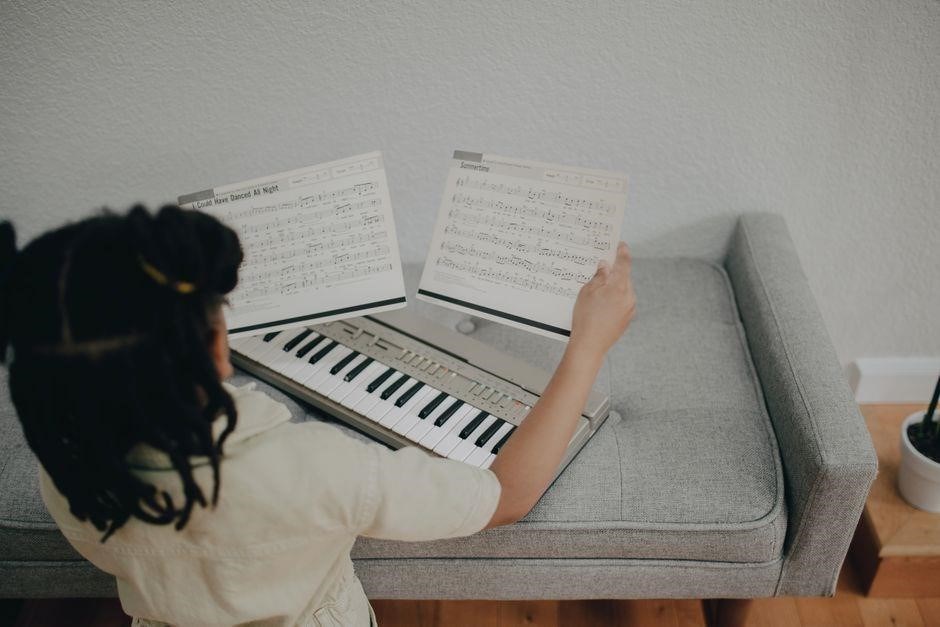
Free PDFs of Carol of the Bells can be edited with PDF editors or music notation software. Convert the PDF to MusicXML, then adjust key, tempo, or voicing. Many users transpose to C major for beginners or add pedal markings. Always keep a backup before modifying.
Transcribing, Changing Key, and Adjusting Tempo
Transcribing Carol of the Bells from a free PDF into editable notation files is a common first step for pianists who wish to personalize the piece. By exporting the PDF to MusicXML or MIDI, musicians can open the score in programs such as MuseScore, Sibelius, or Finale, where they can tweak individual measures, add dynamics, or re‑arrange the harmonic structure to suit their ensemble or solo performance. Once the score is in a digital format, pianists can experiment with key signatures to accommodate vocal ranges or instrument tuning. For example, transposing the opening ostinato from its original D‑minor to C‑minor or even to a major key can make the piece more accessible for beginner ensembles. Adjusting the tempo marking is equally important; a typical performance sits around 120 beats per minute, but many arrangements slow it to 90 or speed it up to 140 for dramatic effect. Advanced users might also alter the rhythmic subdivision, turning the relentless eighth‑note pulse into a syncopated pattern that highlights the underlying chord changes. When adjusting tempo, pianists should consider the audience’s familiarity with the piece. A slower tempo allows listeners to appreciate the intricate arpeggios, while a brisker pace can heighten the festive atmosphere. Some performers also choose to insert a fermata before the final chord to create a dramatic pause, giving the audience time to absorb the resolution. Additionally, altering the rhythmic subdivision can transform the relentless drive into a more lyrical phrase, especially when the piece is arranged for a small chamber group or a solo piano with a softer touch. These thoughtful adjustments enable pianists to tailor the piece to their ensemble’s unique sound. These edits let pianists adapt the work to ensemble tone!

Performance Techniques for Piano Arrangements
Use dynamic contrast to highlight the ostinato’s rhythmic drive. Employ half‑pedal for clarity pedal for resonance. Voicing inner voices with lighter touch, accenting the melody. Adjust tempo rubato for phrasing, keeping the piece’s festive energy; Enjoy! and
Voicing, Pedaling, and Dynamic Expression
In the piano rendition of Carol of the Bells, voicing is crucial to maintain the piece’s bright, cascading texture while allowing the main melodic line to emerge. The left‑hand ostinato, typically in a rapid 8‑note pattern, should be articulated with a light touch, using a higher register to avoid masking the right‑hand melody. The right hand, carrying the soaring motif, benefits from a slightly heavier touch on the accented notes, creating a clear contrast that highlights the rhythmic drive. Dynamic shaping is essential; a gradual crescendo from pianissimo to forte over each phrase adds drama without sacrificing the piece’s inherent sparkle. Pedaling should be handled with precision: a half‑pedal technique keeps the chords distinct, preventing muddiness in the rapid passages. For the climactic sections, a full pedal can be employed briefly to sustain the harmonic tension, but it must be released quickly to preserve clarity. Additionally, subtle rubato can be introduced in the slower, lyrical interludes, allowing expressive timing while keeping the overall tempo steady. Practitioners should experiment with varying the attack of the right‑hand notes—soft in the opening bars, then progressively stronger—to create a sense of build. Finally, the use of the sustain pedal in the final bars should be balanced with a short release to avoid a wash of sound, ensuring the final chord lands with a bright, resonant impact. Mastering these voicing, pedaling, and dynamic techniques transforms a simple arrangement into a compelling, concert‑ready performance. With these techniques, pianists can deliver an engaging, festive rendition that captivates audiences.!
Educational Applications and Community Resources
Students use free sheet collections to practice rhythm and dynamics. Teachers share lesson plans on forums, and pianists collaborate on online platforms, exchanging tips and performance videos. Community workshops and virtual recitals foster skill growth and musical camaraderie. Online forums share tips and advice.
Teaching Ideas, Online Tutorials, and Sheet Music Sharing Platforms
Teachers can integrate Carol of the Bells into lesson plans by focusing on rhythmic precision and key modulation. A common approach is to split the piece into sections: the iconic opening ostinato, the soaring melodic line, and the climactic finale. Students practice the ostinato with metronome clicks, then add left‑hand chords in a lower register. After mastering the rhythm, they transition to the melodic phrase, emphasizing phrasing and articulation. In the finale, pianists explore crescendo and decrescendo techniques to build drama. Online tutorials on platforms such as YouTube, Vimeo, and dedicated piano education sites provide step‑by‑step video demonstrations, annotated scores, and tempo‑adjusted recordings. Many educators post their own arrangements on sheet‑music‑sharing sites like MuseScore, 8notes, and IMSLP, where students can download free PDFs, edit them, and share their interpretations. By combining structured lessons, video resources, and collaborative platforms, instructors can create a comprehensive learning environment that encourages technical growth, musical expression, and peer interaction.
Additionally, educators can assign projects where students compose variations, transcribe the piece into different keys, or create accompaniment tracks. These projects develop sight‑reading, harmonic analysis, and creative composition skills. Free resources like the public domain score on IMSLP let students experiment with orchestration by adding percussion or string parts. Publishing arrangements on MuseScore exposes them to an audience and feedback. This iterative process deepens understanding of the piece’s structure and holiday repertoire. Combined with tutorials and sharing platforms, it equips learners with technical proficiency and a sense of community involvement now.
Community Forums and Legal Discussion Boards
Students, teachers, and performers often turn to online communities to discuss the availability and legality of Carol of the Bells piano sheet music PDFs. The most active boards include the Piano Society Forum, Reddit’s r/piano, and the IMSLP discussion threads. Members ask about the public‑domain status of the original 1914 composition and the 1970s arrangement by Mykola Leontovych. Moderators clarify that while the melody is in the public domain, the specific arrangement used in many free PDFs may still be protected. Users share links to reputable sources such as the International Music Score Library Project, where the score is available for download under a Creative Commons license. Legal professionals on Law Stack Exchange provide guidance on fair‑use exceptions for educational purposes, explaining that copying a short excerpt for a lesson is permissible. Some forums host workshops where participants collaboratively edit PDFs, ensuring that any changes respect copyright law. The discussion often extends to the ethics of sharing altered arrangements on platforms like MuseScore, where the community can vote on whether a piece should be marked as “public domain” or “copyrighted.” By engaging in these forums, musicians gain a clearer understanding of the legal landscape surrounding Carol of the Bells and can confidently share or adapt the sheet music within the bounds of the law. These discussions also highlight best practices for citing sources, respecting author rights, and fostering learning among pianists worldwide. Join the conversation today. and share insights.!??