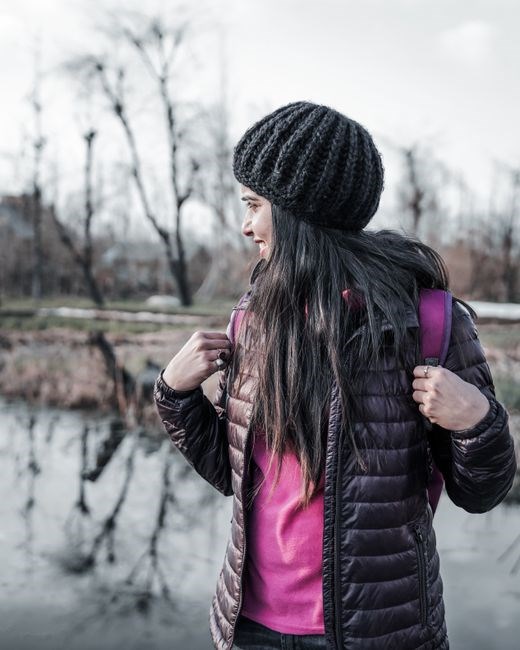
Overview of Patagonia Nano Puff
Patagonia Nano Puff is a lightweight, insulated jacket that balances warmth and breathability. Its recycled polyester shell and synthetic down core provides efficient heat retention while remaining packable. Proper care preserves its loft, color, and moisture‑wicking performance. Ideal layering!!
Key Features and Care Importance
The Patagonia Nano Puff jacket is engineered for optimal warmth-to-weight ratio, featuring a lightweight synthetic down core that delivers high loft while remaining compressible. Its outer shell is made from recycled polyester, providing durable, water‑resistant protection without compromising breathability. The garment’s design includes a full‑zip front, adjustable hood, and storm cuffs that help seal in heat during active use. Because the jacket relies on lofted insulation through proper care is essential. Washing with a gentle, non‑ionic detergent preserves the down’s hydrophobic coating, while a low‑temperature spin cycle prevents clumping. After rinsing, a dedicated dryer cycle with clean tennis balls re‑fluffs the insulation, ensuring consistent warmth. Avoiding fabric softeners and high heat settings protects the jacket’s moisture‑wicking fibers and prevents shrinkage. Proper storage in a breathable garment bag, away from direct sunlight, keeps the jacket’s color and texture intact for years of use. To keep loft, wash on a gentle cycle at low temperature and rinse thoroughly to remove detergent. Dry on low heat with clean tennis balls to keep insulation fluffy; never use fabric softener. Spot‑clean with mild detergent and a soft brush for stains. Store in a breathable garment bag or mesh bag, away from direct sunlight, to prevent mildew and color fading. When packing, avoid stuffing it tight, which can crush insulation. Inspect regularly for tears or zipper damage and repair promptly. Following these steps ensures the jacket stays warm and durable for years. Keep it clean and dry to maintain performance.

Materials and Supplies Required
Gather a gentle, non‑ionic detergent, a mesh laundry bag, a low‑heat dryer, clean tennis balls, a soft brush, and a cool, well‑ventilated drying area. Use a small, quiet washing machine cycle and avoid fabric softener Keep the jacket dry and avoid high heat
Recommended Detergents and Tools
Patagonia recommends using a mild, non‑ionic detergent that is free of bleach, optical brighteners, and fabric softeners. A small amount of liquid detergent is sufficient; avoid powders that can clog the jacket’s pores. Place the jacket in a mesh laundry bag to protect seams and zippers. A quiet, low‑speed spin cycle is ideal. For drying, use a low‑heat setting or air‑dry. Adding clean tennis balls or dryer balls helps maintain loft; A soft brush can remove surface dirt after washing. Keep the jacket away from hot surfaces and direct sunlight while drying to prevent color fading. Store the jacket in a cool, dry place, folded loosely to avoid compression. Use a breathable garment bag for long‑term storage. When washing, avoid overloading the machine; the jacket’s insulation requires room to tumble; Use a gentle cycle with cold water to preserve the down’s loft. After the wash, gently squeeze excess water—do not wring—to prevent damaging the fibers. Place the jacket back into the mesh bag and tumble dry on a low setting with clean tennis balls to re‑loft the insulation. If the jacket feels stiff after drying, lightly shake it or use a soft brush to redistribute the down. Always follow the label for best results. Store the jacket in a breathable garment bag to keep dust out, and avoid compressing it for extended periods. This routine maintains the jacket’s performance and extends its lifespan. Keep your jacket fresh and ready for adventure daily, every
Pre-Wash Inspection and Preparation
Before washing, inspect the jacket for stains, dents, and loose threads. Close all zippers, buttons, and Velcro to prevent snagging. Remove any pockets or inserts. Shake out loose dirt, then place the jacket in a mesh bag to protect seams during the wash cycle. Keep the jacket folded avoid compression.
Checking for Stains and Fastening Zippers
Before placing the Patagonia Nano Puff into the washing machine, conduct a thorough inspection to ensure optimal care and longevity. Begin by examining each panel, seam, and pocket for visible stains, discoloration, or embedded debris. Use a mild detergent solution and a soft brush to spot‑clean stubborn spots, especially around the hood, collar, and zipper pulls, where sweat and grime accumulate. While inspecting, also check for any loose threads, frayed edges, or damaged fabric that could unravel during agitation. If you find any, stitch or reinforce them before washing. Next, focus on all fasteners. Secure every zipper by closing it fully and, if possible, using a zipper lock or a small piece of tape to keep it from snagging on other garments or the machine drum. Check Velcro straps, snap buttons, and any metal hardware for proper engagement; loosen or tighten as needed. Ensure that all pockets are empty and that any removable inserts or liners are removed and washed separately according to their care label. This step prevents trapped moisture and ensures a more even wash cycle. By completing these pre‑wash checks, you safeguard the Nano Puff’s performance, appearance, and structural integrity for years to come. This protective measure reduces friction between the jacket and other items, preserving the insulation’s loft and preventing compression. Keep dry!!! Remember to always follow the carecarefullylabel on your jacket and avoid using bleach or fabric softeners, which can damage the synthetic insulation.!
Step-by-Step Washing Instructions
Turn jacket inside out, close all zippers, and fold. 2. Place in a mesh bag. 3. Use a soft, cold cycle with a mild detergent. 4. Add a few tennis balls to preserve loft. 5. Rinse twice, then spin lightly. 6. Air‑dry flat, away from direct heat. Use cold
Machine Settings and Manual Wash Tips
Use a gentle, cold cycle (30°C or lower) to prevent shrinkage and preserve insulation. Select a short wash program (5–10 minutes) and a low spin speed (400–600 rpm). Avoid the heavy‑duty or high‑temperature options. Place the jacket in a mesh laundry bag to protect seams and zippers. Add a few clean tennis balls or dryer balls to maintain loft during the wash. Use a mild, non‑bleach detergent—ideally a wool or down‑specific cleaner—to avoid damaging the synthetic down. If you prefer a manual wash, fill a basin with lukewarm water (≤30°C) and add a small amount of gentle detergent. Gently agitate the jacket, then rinse thoroughly with clean water, repeating if necessary. Never wring or twist the garment; instead, press out excess water by hand. After washing, lay the jacket flat on a clean, dry towel and reshape it to its original dimensions. Allow it to air‑dry in a well‑ventilated area, away from direct sunlight or heat sources. Once dry, fluff the down by hand or with a soft brush to restore loft. Store the jacket folded, not compressed, in a breathable garment bag.
Additional care: after drying, store jacket in a breathable garment bag, avoid plastic. When packing, keep it loosely folded to maintain loft. For long storage, add a silica gel packet to absorb moisture. Inspect annually for any signs of mildew or odor, and refresh with a gentle wash if needed. This prevents permanent damage and keeps the jacket ready for adventures.
Drying and Post-Wash Care
After washing, lay the jacket flat on a clean towel, reshape, and air‑dry in a shaded, well‑ventilated area. Avoid heat or direct sunlight. Once dry, fluff the down by hand, store folded in a breathable bag, and inspect for odors before reuse. Keep it dry. Stay
After washing, remove the jacket from the machine and gently squeeze out excess water without wringing, which can damage the down fill. Lay the garment flat on a clean, dry towel in a well‑ventilated area, preferably out of direct sunlight. Rotate the jacket every few hours to ensure even drying and prevent moisture pockets. Avoid using a dryer or heat source, as high temperatures can cause the down to clump and the synthetic fibers to shrink. Once the jacket is completely dry, fluff the insulation by hand, lightly tapping the surface to redistribute the down and restore loft. For any minor creases, use a low‑heat iron set on “synthetic” or “down” if available, holding the iron steady and moving it in a slow, continuous motion. Never apply direct heat or press the iron against the jacket for extended periods, as this can scorch the fabric or damage the insulation. Store the jacket in a breathable garment bag or a loosely closed cotton bag to allow air circulation, and avoid compressing it for extended periods. Regularly inspect for any lingering odors and rewash if necessary, using a gentle, down‑friendly detergent. By following these steps, you preserve the jacket’s insulating properties, maintain its shape, and extend its lifespan.
Always keep the jacket in a place, avoid plastic bags that trap moisture. If you notice residual dampness, re‑air it out before re‑folding. This step helps prevent mildew and keeps insulation fluffy and stays!!.
Keep it dry, avoid compression, preserve loft daily every day.

Storage and Maintenance Best Practices
Store the Patagonia Nano Puff in a breathable garment bag or loosely closed cotton bag, avoiding plastic. Keep it cool, dry, and out of direct sunlight. Periodically fluff the insulation to maintain loft. Avoid compressing for long periods. Store at room temperature. Keep it folded maintain loft!!
Long-Term Preservation Tips
To keep your Patagonia Nano Puff in peak condition for years, follow these preservation steps:
- Clean only when necessary. Excessive washing can degrade the synthetic down and shell fibers. Spot‑clean stains with a mild detergent and a soft brush.
- Use a dedicated garment bag. Store the jacket in a breathable cotton or mesh bag, not in a sealed plastic container, to allow airflow and prevent mildew.
- Maintain proper loft. Periodically fluff the insulation by gently shaking the jacket or using a specialized down fluffing brush.
- Avoid direct sunlight. UV rays can fade the jacket’s color and weaken the fabric. Store in a shaded area or use a UV‑blocking cover.
- Control humidity. Keep the jacket in a low‑humidity environment. If you live in a damp climate, consider a moisture‑absorbing silica gel packet inside the storage bag.
- Check for damage. Inspect zippers, seams, and fasteners before long storage. Repair any tears or loose threads promptly to prevent further deterioration.
- Use a low‑temperature dryer cycle. If you must dry the jacket after washing, tumble it on a low heat setting with clean tennis balls or dryer balls to help restore loft. Never use high heat or iron directly on the insulation.
- Label and rotate. If you have multiple jackets, label each bag and rotate usage to avoid prolonged static wear on a single piece.
- Follow manufacturer care. Adhere strictly to Patagonia’s care instructions and use recommended detergents to preserve the jacket’s performance and warranty.
By incorporating these practices into your routine, you’ll extend the life of your Nano Puff, ensuring it remains lightweight, warm, and ready for any adventure.
When you’re away from home, pack the jacket in a dry, breathable garment bag. Avoid stuffing it into a backpack’s tight compartments; instead, use a dedicated jacket sleeve or a soft pouch that allows the insulation to expand. This prevents compression and maintains loft over time.
For long‑term storage, consider a low‑temperature, low‑humidity environment such as a climate‑controlled closet. If you live in a humid area, use a silica gel packet or a moisture‑absorbing pouch inside the garment bag. Check the packet every few months and replace it when it turns dark.
When washing, always use a gentle, down‑specific detergent. Avoid fabric softeners, bleach, or harsh chemicals that can damage the insulation. Load the machine with the jacket alone or with a few light items to prevent abrasion. After the cycle, shake the jacket to redistribute the down and lay it flat to dry.
Finally, always read the care label before washing or storing. Patagonia recommends a 30‑minute rinse and a low‑heat tumble dry. If you prefer a hand wash, fill a tub with lukewarm water, add a small amount of down detergent, and gently agitate the jacket. Rinse thoroughly and lay flat to dry.
When you’re ready to wear, fluff the jacket again to restore loft and check zipper pulls. If stiffness appears, lightly spray a down‑friendly conditioner. Keep the jacket in a cool, dry place when not in use to preserve shape and performance. Store it in a breathable garment bag to maintain loft over time and keep it away from direct sunlight for best.!!
Common Issues and Troubleshooting
Odors, shrinkage, and color fade are typical after repeated washing. To fix odors, wash with vinegar or a dedicated odor‑remover. For shrinkage, avoid high heat; tumble dry low or air‑dry. To prevent fading, use cold water, gentle cycle, and avoid bleach. Use gentle cycle, low temp for results !.
Fixing Odors, Shrinkage, and Color Fade
Odor removal is often the first challenge after washing a Nano Puff. Add one cup of distilled white vinegar to the rinse cycle or pre‑wash with a cup of baking soda to neutralize lingering smells. For stubborn odors, soak the jacket in a mixture of water and a few drops of odor‑removing enzyme cleaner for 30 minutes before washing.
Shrinkage usually results from high heat. Always wash on a gentle, cold cycle and skip the spin. If you must use a dryer, set it to the lowest heat or, better yet, tumble dry on the “air‑dry” setting. Air‑drying on a flat rack preserves loft and prevents compression. Avoid high heat or prolonged drying, which can permanently reduce insulation.
Color fade is most common when exposed to bleach or hot water. Use a color‑safe, non‑bleach detergent and wash in cold water. After washing, rinse with a splash of cold water to remove detergent residue that can cause fading. Store the jacket in a cool, dry place away from direct sunlight to maintain its vibrant hue.
Regularly inspect the jacket for tears, reapply seam sealant if needed, and keep it dry. Avoid storing in plastic bags; instead, use a breathable garment bag. When not in use, hang the jacket on a padded hanger to preserve shape. For long‑term storage, place in a cool, dark closet and rotate usage every few months to keep insulation. If the jacket develops a musty smell, sprinkle baking soda inside and let it sit overnight before washing!